The Challenge
Institutional scale capital projects move at the speed of scope verification. Typically, verifying scope at this depth involves weeks of site walks and manual takeoffs. Scopes harden into bids, contracts, and budgets. So when they don't match as-built conditions, the project pays for it later in change orders, delays, and even compressed cash flow for the asset.
The catch is that bids can only start from the data on hand, and it’s rarely complete.
Brookfield's original general contractor bid was no exception: built on the available records, it missed 474 windows, a gap that would have surfaced mid-project as a 9% change order.
The “test” for Tailorbird was whether it could take an occupied, high-scale project where the starting records weren’t complete and still produce a field-accurate, bid-ready scope fast enough to keep the rebid moving.
The Solution
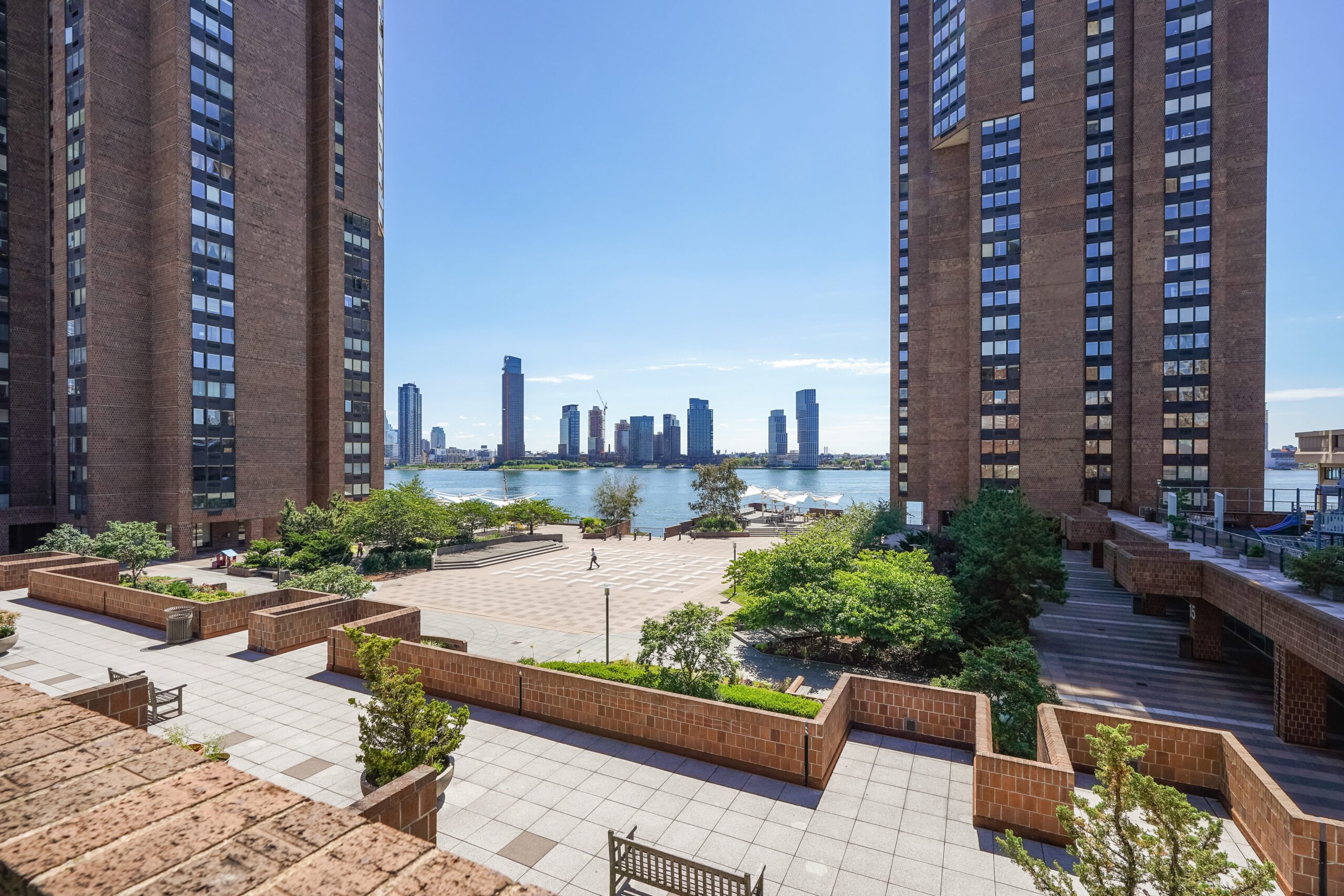
Brookfield ran the rebid through Tailorbird. AI-generated as-built drawings and unit-level asset intelligence produced verified scope across all four towers — window counts, types, and elevations — eliminating redundant site walks.
Three competitive bids were leveled and delivered on the platform within 10 days of receiving the property address. Tailorbird’s AI also bid the glass supply across multiple vendors automatically, securing the best price on raw materials before procurement locked in.
The Outcome
The verified scope caught the 474-window miss before the first spend occurred. The leveled bids came in 12–15% below Brookfield's original bids — an estimated $1.2M in savings — with the 9% change order avoided entirely. The project itself was completed in 18 months — fast at this scale, on an occupied property where each window was swapped, in Tyler’s words, “in the time that it takes a resident to walk their dog.”
The Change
Three leveled bids in 10 days compressed a pre-construction cycle that normally runs months, and on an occupied 1,500-unit property, every week saved is a week of preserved occupancy and protected cash flow. It also meant Brookfield could replace nearly 6,000 windows without asking a single resident to move out. For an owner whose name is built on a seamless resident experience, doing the work fast and invisibly was non-negotiable.
What started as a single rebid is now how Brookfield runs CapEx. Their mapped portfolio lives on Tailorbird, and capital projects move from planning through execution on one platform — with one source of truth from scope to close.
In multifamily, speed has a price. The schedule usually compresses through added crews and paid premiums. Brookfield got the faster timeline and an estimated $1.2M in savings because the speed came from better scope.
The speed held because the scope underneath was right. Bidding from verified as-built takeoffs and asset conditions instead of inherited assumptions, Tailorbird caught the 474-window gap before anyone was on site to start the project.