The Situation
For multifamily redevelopment teams, preconstruction can have a long and variable timeline. Defining scope, generating reliable takeoffs, soliciting bids, and leveling them into a budget leadership can approve typically require site visit coordination and many rework loops. Every extra week in preconstruction can push out when underwritten rents actually show up in the financial statements, delaying the business case the renovation was priced on.
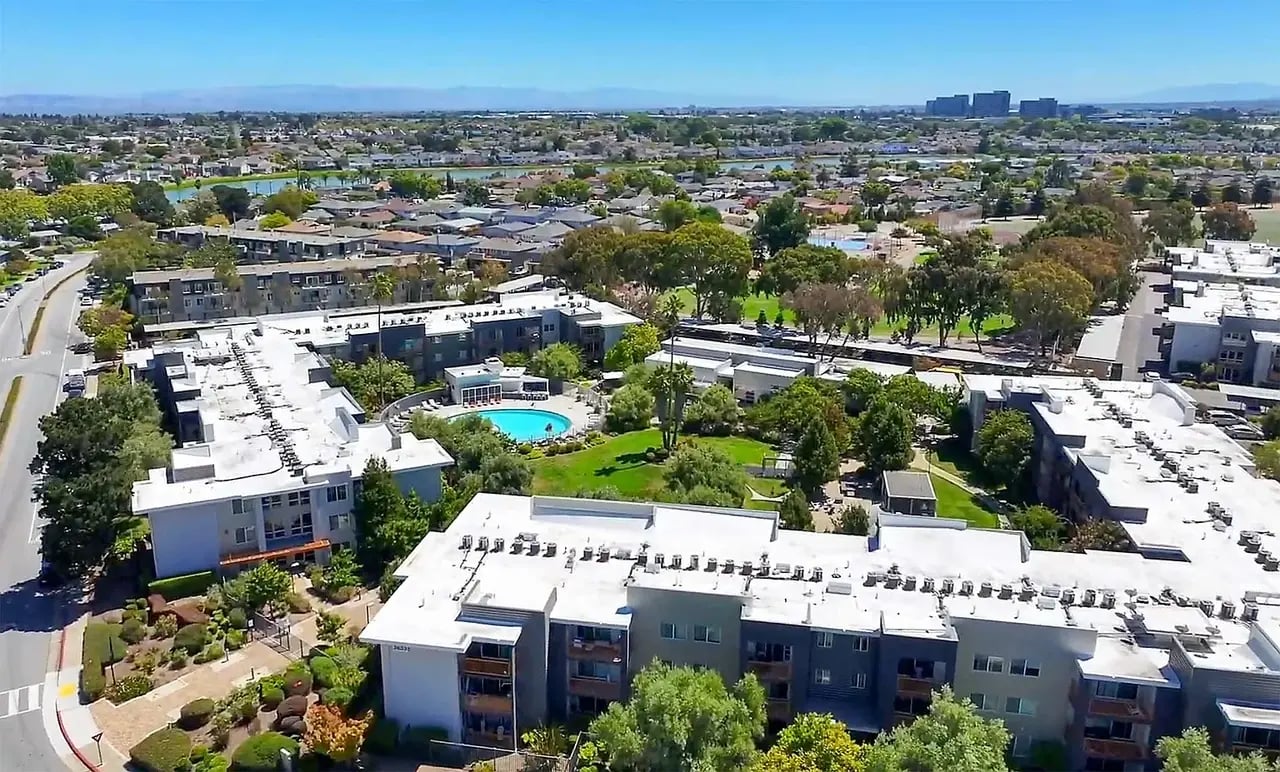
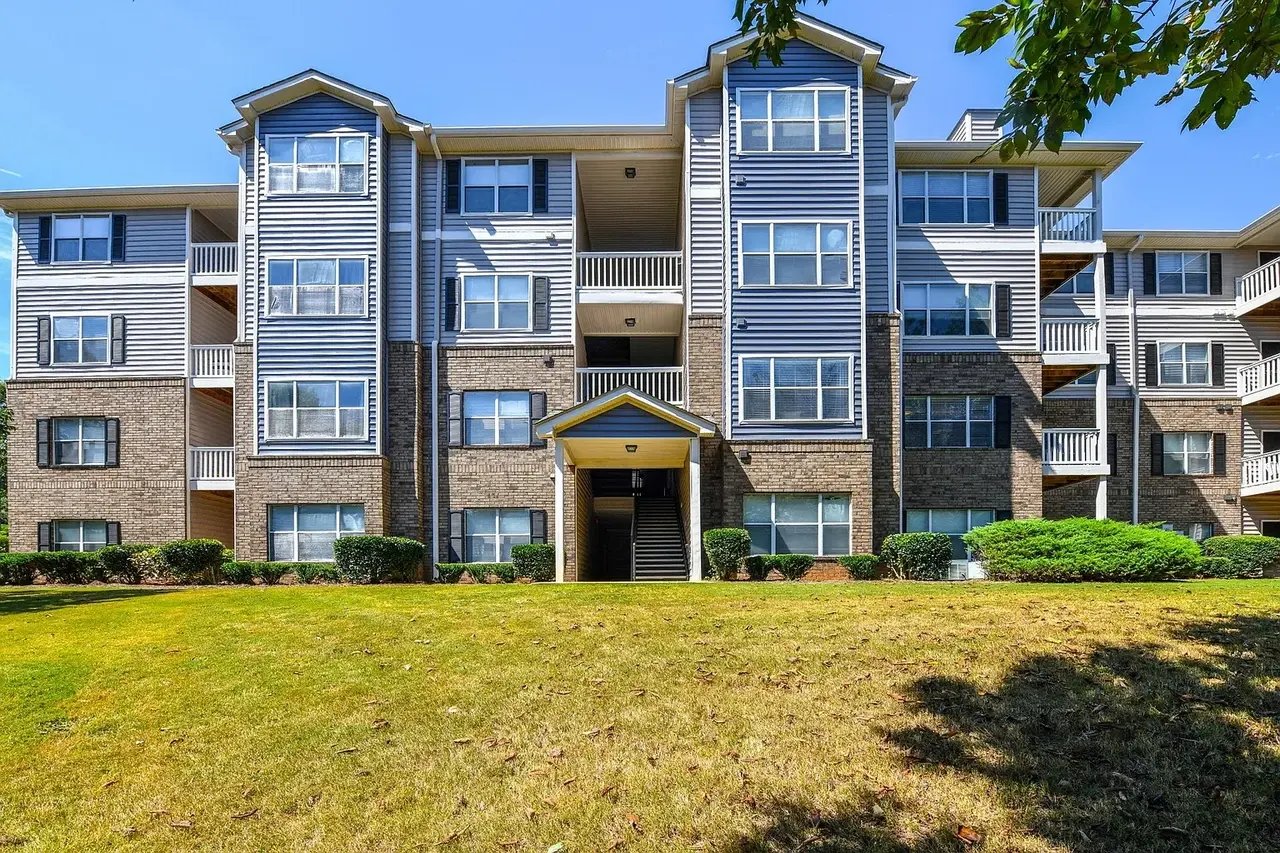
CitySouth Apartments, a 288-unit garden-style property in San Mateo, CA, was UDR’s first end-to-end project on Tailorbird. It tested whether Tailorbird could compress the biggest precon bottlenecks — especially scoping, takeoffs, and bid leveling — and get to an approval-ready budget faster.
The Challenge
In redevelopment, the value is created in the gap between identifying a property and getting work underway. When scoping, takeoffs, bidding, and budget packaging stretch out, capital sits idle and rent growth gets pushed out.
For UDR’s team, the pain point was especially acute at bid time: without a shared, verified takeoff, each GC started from different takeoff assumptions, making bid leveling a lengthy reconciliation exercise — and often forcing a site walk just to confirm counts before a bid could even go out.
The Solution
The compressed timeline came from three things UDR and Tailorbird put in place together:
- Tailorbird’s AI generated takeoffs, which let UDR send bids to contractors without a site walk just to confirm quantities
- UDR’s own finish packages, which the team had already standardized six months earlier, so project-by-project scope decisions were largely pre-made before Tailorbird entered the workflow
- Tailorbird’s AI bidding workflows, which Cade used to build CitySouth’s first RFP in about three days — with the second RFP taking only an hour or two of edits.
A GC job walk across four bidders confirmed the platform's takeoffs held up in the field — "pretty darn accurate," in Barrios’ words.
The Outcome
On CitySouth Apartments, UDR’s redevelopment team compressed the path from RFP kickoff to an investment committee (IC) memo—including scoping, takeoffs, bid leveling, and budget packaging—to six weeks, versus roughly ten weeks on a comparable project completed without Tailorbird’s AI platform. They also beat UDR’s internal 60‑day goal for committee-ready materials, an ambition Paul Barrios described as a 50–60% reduction from their prior process.